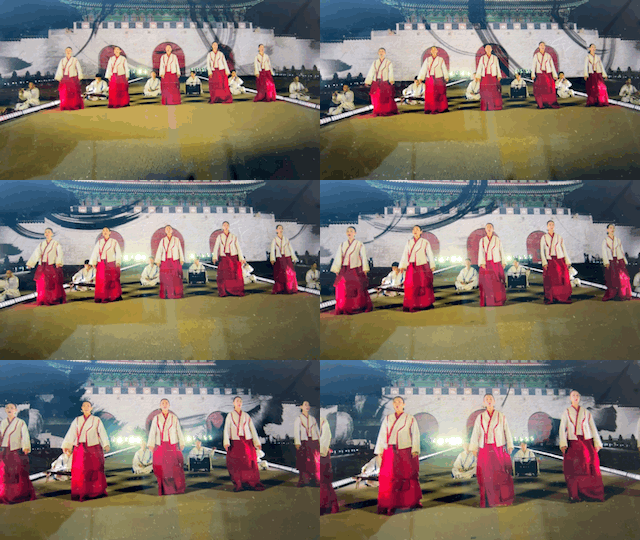
I tuned in to the BTS comeback concert out of curiosity. It was going to take place in the center of Seoul and stream on Netflix. While I didn’t quite have it in me to tune in for the live broadcast at 4:00 AM California time, I did watch the recording that morning while I was at the gym. What I heard almost made me fall off the treadmill: In the middle of BTS’s song Body to Body, Korean folksingers appeared to sing the entirety of the Korean folksong Arirang. I felt a strange, almost out-of-body sensation. Arirang is a deep part of Korean identity, a song of longing and melancholy that’s often considered the unofficial Korean anthem. And now, thanks to BTS, it was being broadcast around the globe.
When I was growing up in Southern California in the seventies and eighties, being Korean was not. cool. It wasn’t even cool-adjacent. Being Korean meant that you ate kimchi that all your American friends thought smelled bad. It meant being the cultural interpreter for your parents, and never expecting them to come to your school events because they were always working.
I still remember the first day of chemistry class. The teacher was taking roll and called out a name: Haerin Kim. The teacher stopped talking and looked up. I shrank with embarrassment on Haerin’s behalf. But isn’t that what you got if you didn’t change your name to something more accessible, like Grace or Sam?
“That’s a beautiful name,” the teacher declared. I looked around. Nothing about that name sounded beautiful to me. Even my name, which had the advantage of being “pronounceable,” often felt awkward and too foreign. I think back on that memory now and wonder if perhaps the teacher knew a thing or two about appreciating hard-to-pronounce names. Kudos to Mr. Ziolkowsky!
Now, Korean names rise in the air at stadium concerts as the BTS Army chants in unison:
Kim Namjoon!
Kim Seokjin!
Min Yoongi!
Jung Hoseok!
Park Jimin!
Kim Taehyung!
Jeon Jungkook!
“Never in a million years would I have expected this,” my friend texted me after I’d sent her the BTS version of Arirang. “Not in a MILLION years.” My friend is a fellow tribute in the Hunger Games that is first-generation immigrant life. We’re older now and, thanks to friends, therapy, and prayer, much more healed. Sometimes, though, when we hang out just the two of us, we’ll show each other our battle scars.
Even at the height of my awkward and embarrassed years, I always liked being Korean. But that love has evolved over the years. I can appreciate the polished, talented, beautiful version of Korean culture we see on stage, in K-dramas, and in ads for beauty products. Who doesn’t enjoy a boppy tune?
But my heart is with the OG Korean immigrants, then and now, not despite all the things that used to make me cringe, but because of them: making “church” a two-syllable word, cooking rice in a motel room on a roadtrip because your parents can’t go more than a day or two without eating “real food,” owning giant canvas bags on wheels we called “immigration bags.”
These are the moments that flash inside my head—my own personal concert—when I hear the first notes of that familiar Arirang tune.
Life, lately
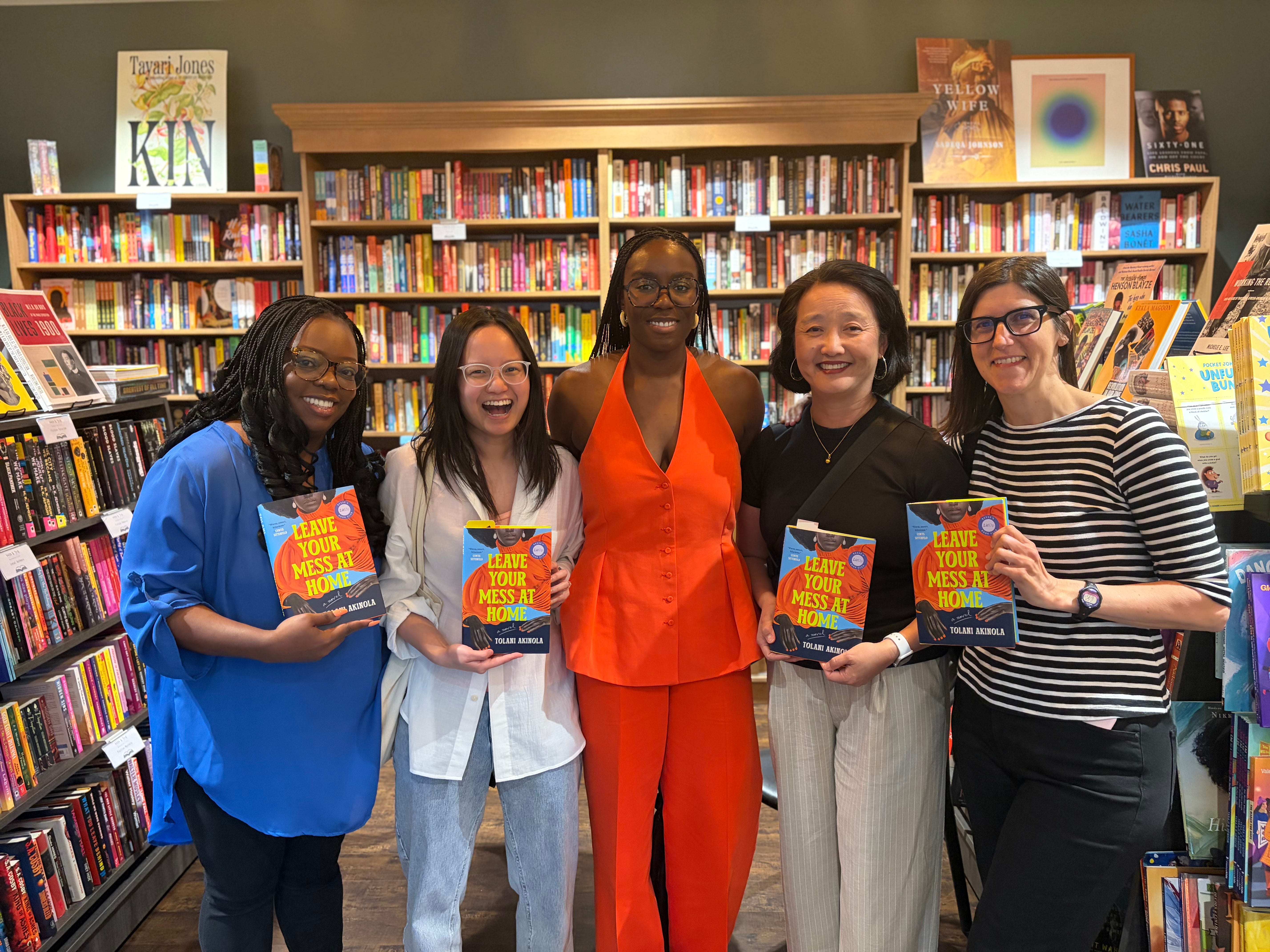
I got to travel to Atlanta for the debut of Tolani Akinola’s Leave Your Mess at Home.

Wes and I decided to celebrate our anniversary by doing one of our favorite things: hiking in the Eastern Sierras. Turns out that in April in the Eastern Sierras, there’s still quite a bit of snow, at least above 8500 feet!
Sign up for my newsletter
You can get these posts delivered to your inbox every other week by signing up for my Substack Newsletter.