My grandfather, a Methodist pastor, left Pyongyang in the fall of 1950 to visit several churches he had established in distant villages. He was still gone when China entered the war, turning the tide against South Korean and UN forces. As the fighting reached Pyongyang, my father (age 15), his younger siblings, and his mother were forced to leave home. My father never saw his father again.
Living as war refugees in the south, my father and family moved from one place to another place to another. At one point, they left some of their possessions at the home of someone they knew while they traveled further south, looking for a more permanent place to settle. Among their possessions was the only photo they had of my grandfather.
Months later, they returned to this home to retrieve their things, especially the photo. But the home had been abandoned, the people gone, the house empty. The one precious photo was lost.
Fast forward decades later to a meeting in Southern California. My father was visiting with an elderly pastor who had been born in Pyongyang. By happenstance, this gentleman pulled out an old photo from his seminary class.
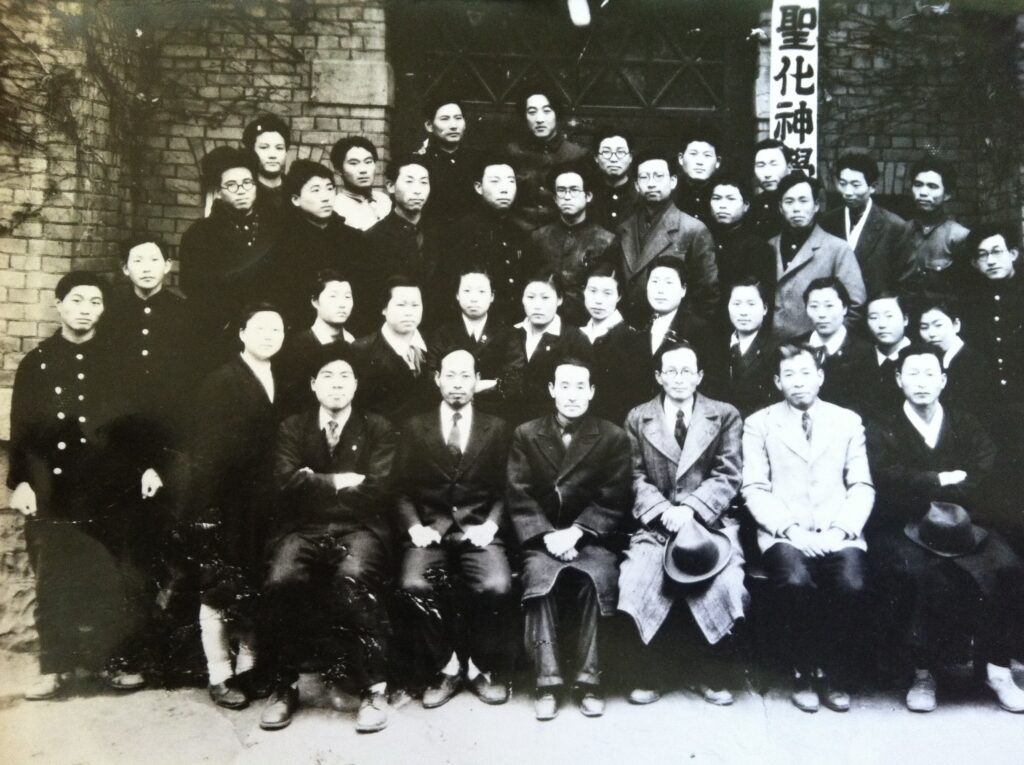
My father was in shock.
“Do you know who that is?” he asked the elderly pastor, pointing to a young man in the photo.
“Yes, that’s Lee Hyo Sung,” the pastor said. “He was my classmate in seminary.”
My father could barely speak. “That’s my father,” he said.
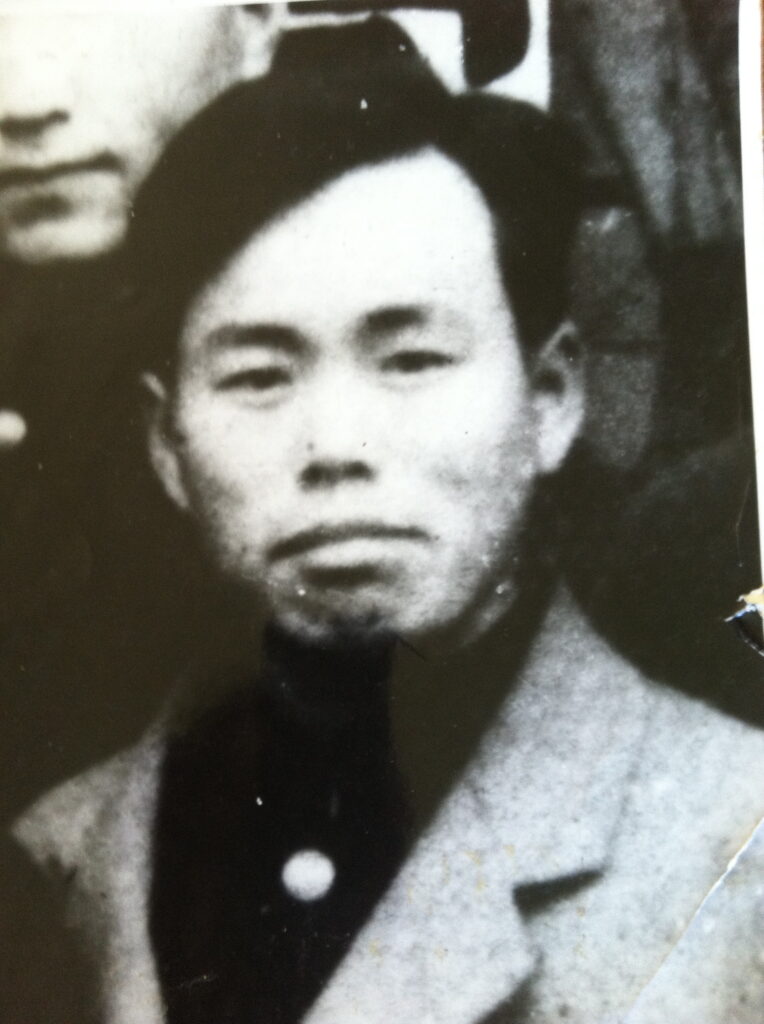
Can you imagine seeing your father’s face for the first time since you were fifteen years old? Not knowing what had happened to him, whether he lived, or how he died—and then suddenly seeing his face again?
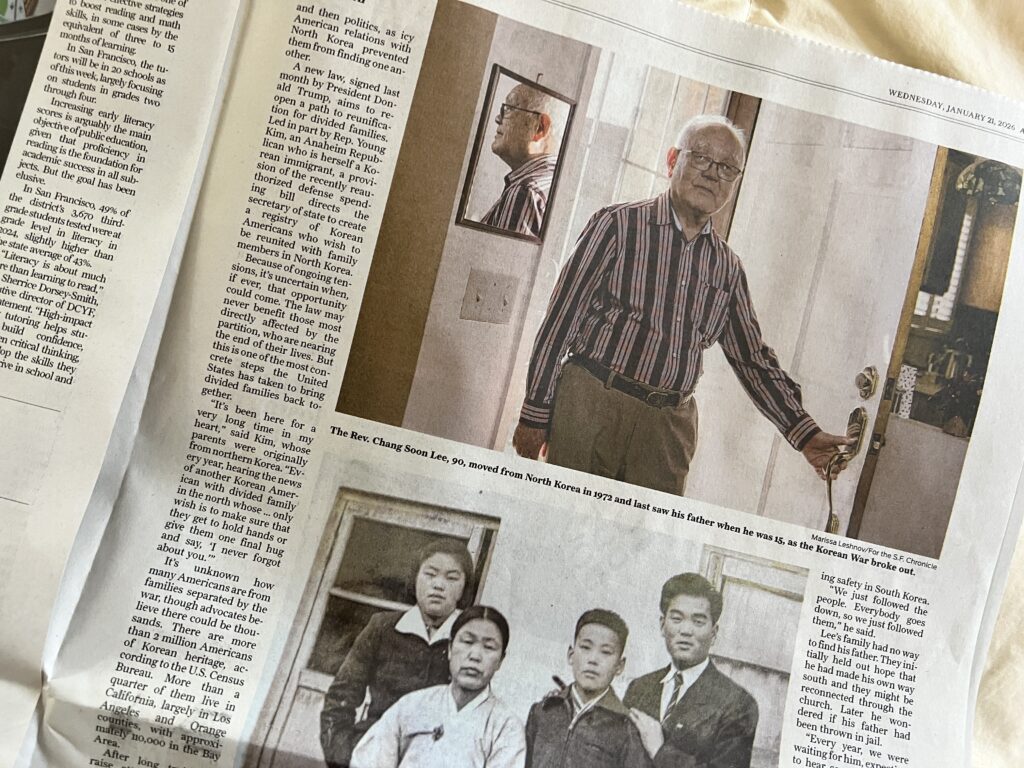
I was reminded of this photo story when gathering images for an article SF Chronicle reporter Alexei Koseff was doing about a provision of the recently reauthorized U.S. defense spending bill that would create a registry of Korean Americans who wish to be reunited with family members in North Korea. Alexei wanted to speak with someone who could speak from personal experience about family separation, and found my father through Paul Kyumin Lee, President of Divided Families USA.
My father met with Alexei via Zoom, and I—equipped with my utterly, depressingly lackluster Korean—joined them to offer any needed translation help.

The article came out this week. Here’s a gift article link (an email is required). As for me, I ran out and bought several physical copies of the paper.
In the course of the interview, I learned something I hadn’t known before. Whenever there was an opportunity, however rare—through government initiatives, through nonprofits, or churches—to petition for information about a lost relative, my father applied. Though he didn’t talk about it much to us kids, I now see with heartbreaking clarity that the fate of his lost father was never far from his mind and heart.
The fate of separated families and the hope for healing between the two Koreas has been my father’s life’s work. And now I’m startled to realize that—with this novel and with my connection with others doing this work—it’s become mine as well.
What I’m reading
One of the first books my editor, Dawn Davis, edited was East to America: Korean American Life Stories. I read it and really loved the short oral histories of a truly diverse group of Korean Americans. The book was written in the mid-nineties, and so is partly a response to how Korean Americans were portrayed in the aftermath of the LA riots. There are some wild stories compiled in this book!
Life, lately
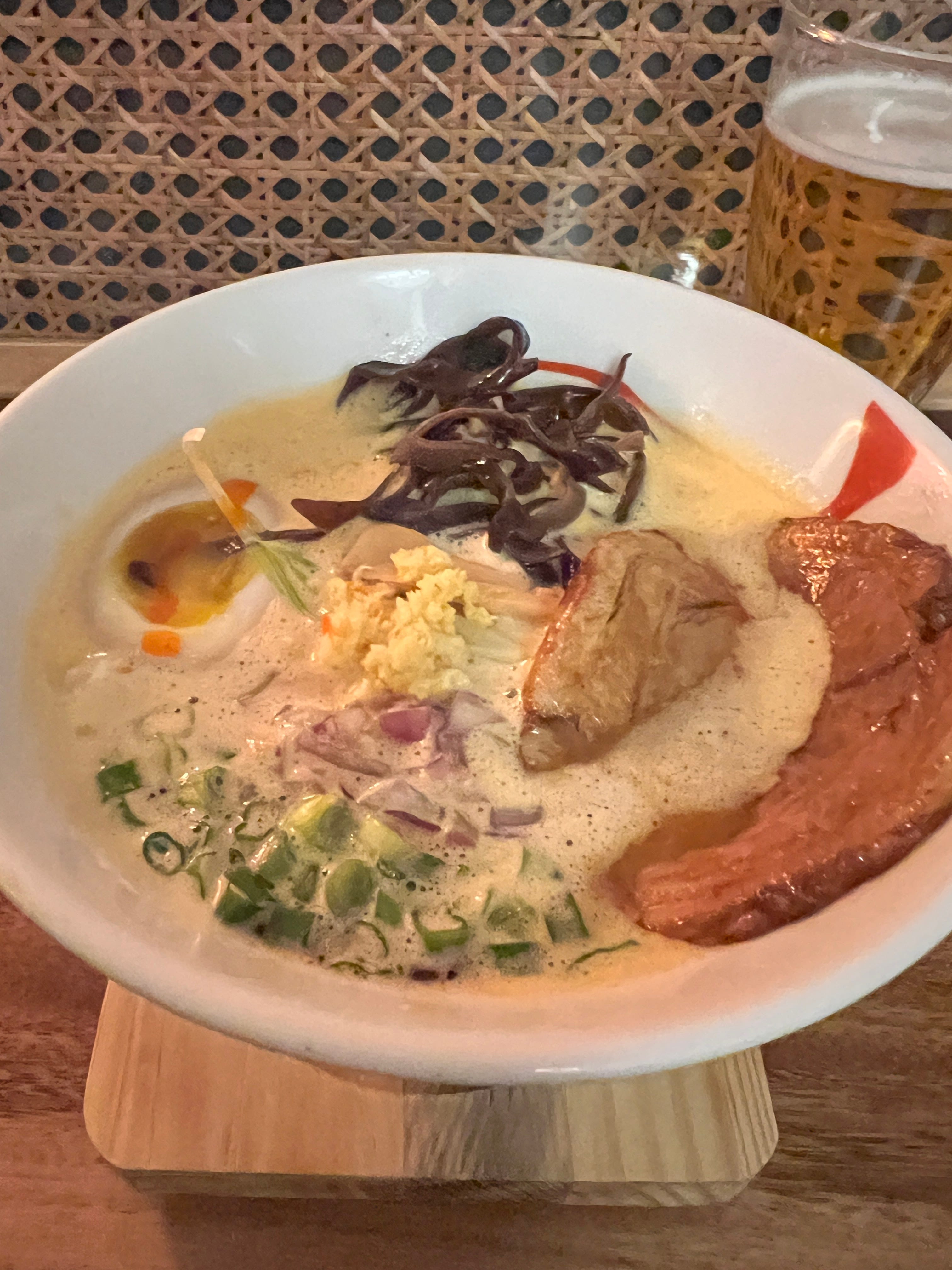
I’m of an age where I shouldn’t be eating a lot of ramen (the sodium! the carbs! the fat!), but there’s a little family-owned spot down the street from me that’s truly delicious. If you’re ever in Berkeley, check out Tsuruya Ramen on Shattuck.
Sign up for my newsletter
You can get these posts delivered to your inbox every other week by signing up for my Substack Newsletter.